Command
A user specifies a goal through voice, gesture, a control interface or eventually a validated neural-control channel.
A coordinated field of small robotic modules that can move, organize and combine into larger functional structures. The long-term vision is intuitive human control; the credible engineering path begins with modular robotics and swarm coordination.
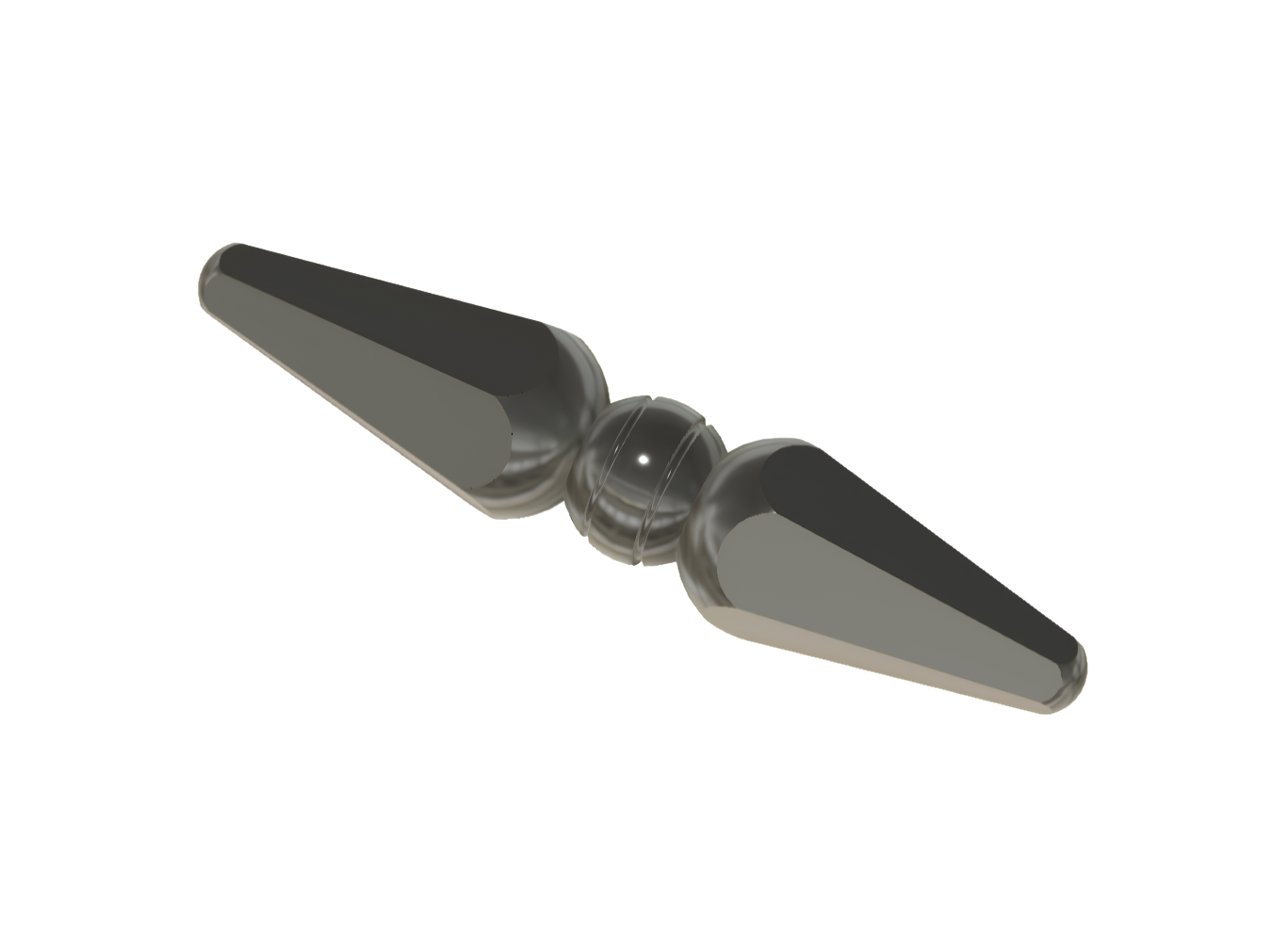
The interesting engineering question is how many relatively simple robotic agents can cooperate to produce a result that no single unit could achieve alone. Instead of treating the swarm as magic dust, this concept focuses on modular hardware, distributed coordination and clear task boundaries.
A user specifies a goal through voice, gesture, a control interface or eventually a validated neural-control channel.
A coordination system converts the goal into many small local tasks and checks constraints such as stability, collisions and available modules.
Individual robots use local sensing, communication and swarm rules to move as a group rather than relying on one central machine for every motion.
The swarm forms or manipulates a larger structure using magnetic, mechanical or other reversible connections.
Small mobile modules would need compact power, sensing, communication and a reliable connection mechanism.
Distributed algorithms, path planning and simulation would coordinate many agents safely and efficiently.
The practical starting point is an app, gesture or voice interface; BCI control could be investigated later if it adds real value.
Tiny robots quickly run into battery, actuator and manufacturing limits. A realistic prototype should begin with larger desktop-scale modules.
Dozens or hundreds of moving devices create pinch, collision and failure risks. The system needs strict limits and emergency-stop behavior.
Making a cool swarm demo is much easier than making one that forms strong, precise, useful objects. Mechanical design is as important as the AI.
MicroBot Swarms needs collaborators who enjoy moving between code and physical hardware. Useful contributions could include modular robot design, embedded control, localization, swarm algorithms, simulation, mechanical coupling and intuitive human-control interfaces.
Share the prototype, simulation, hardware skill or research direction you could contribute to a first small-scale swarm.